Introduction
Hello everyone, I’m Dabin. I focus on sharing practical knowledge about ancient coins without hype or investment advice. Today, I will discuss the Southern Song Dynasty coin, Chuxi Yuanbao, and its current market trends.
Some old coins are not as flashy as Northern Song coins, but they quietly hide in old coin strings, jars, or buried underground for centuries. One day, when you clean and examine these coins, you can feel the ancient copper color and smooth edges, transporting you back to the tumultuous Southern Song era.
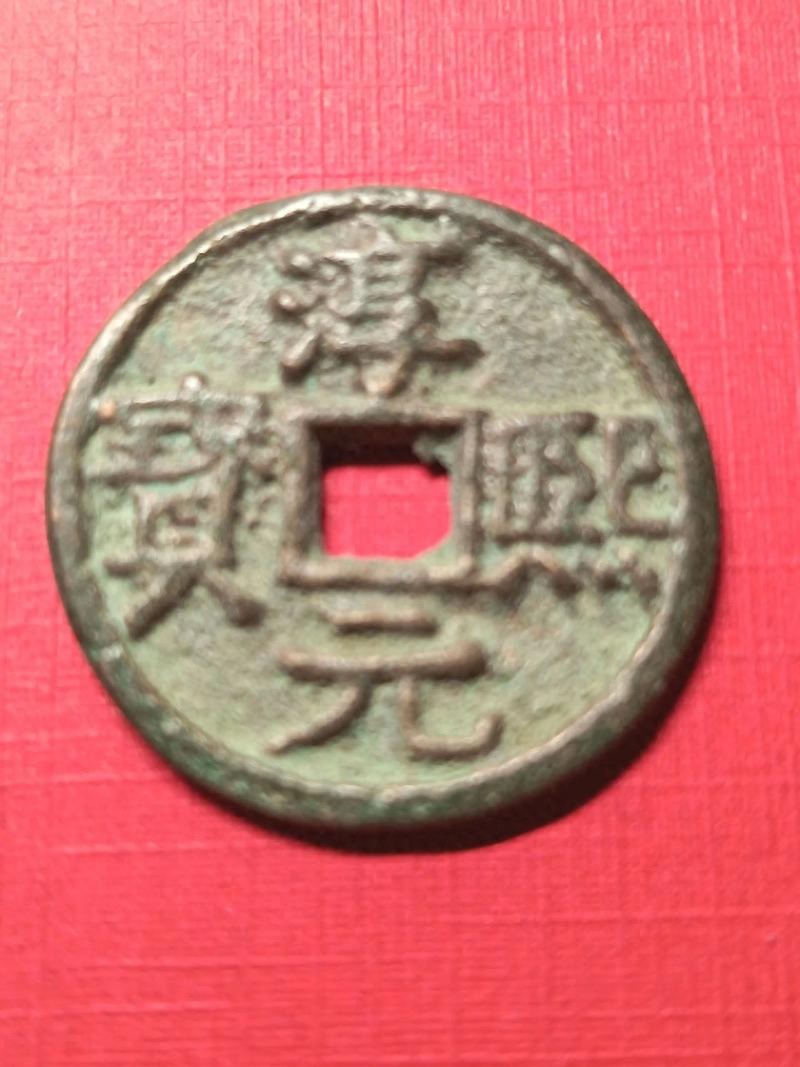
Today, our main focus is on the Southern Song Dynasty Xiaozong Chuxi Yuanbao. In ancient times, it was a common circulating currency used for buying vegetables, trading, and paying taxes. No one would intentionally treasure it, and its size and weight were not considered important. Who would have thought that an unassuming Southern Song coin could now fetch several days’ wages in the collector’s market?
This coin is not just currency; it is a witness to the Southern Song era and a historical relic. Holding a Chuxi coin, observing its patina and neat inscriptions, reveals its charm and ancient elegance.
Understanding Chuxi Yuanbao
I will explain the Chuxi Yuanbao in simple terms, covering its casting year, design differences, material distinctions, characteristics, size, weight, authenticity checks, and the latest market trends for 2026.
If you find a Chuxi Yuanbao in your old coins, do not discard it or sell it cheaply. After reading this article, you will be able to distinguish between ordinary currency and valuable pieces, ensuring you do not undervalue rare coins.
Many newcomers wonder why Southern Song coins are generally more expensive than Northern Song coins. Despite the larger quantity of Northern Song coins, high-quality Southern Song coins are rarer.
Here’s a crucial fact: Southern Song copper was scarce, coinage was limited, and iron coins were prevalent, making finely crafted copper coins rare.
During the Xiaozong period of the Southern Song, from 1174 to 1189, known as Chuxi, it was a time of stability and prosperity. The government began mass-producing Chuxi Yuanbao to fill the currency gap.
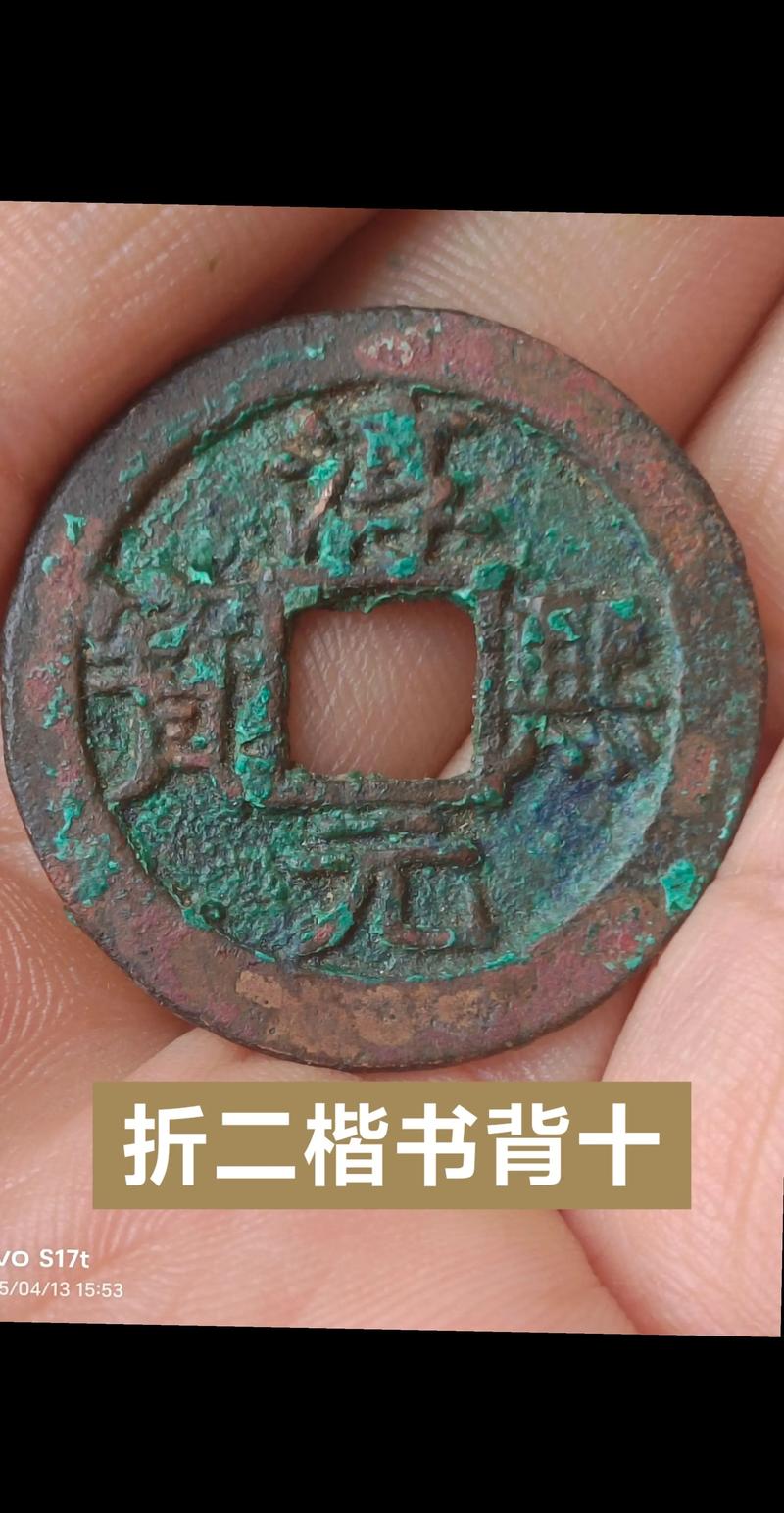
However, copper mines in the south were scarce, making copper extraction difficult and costly. The government had to issue iron coins as substitutes for circulation.
Experienced collectors know: Chuxi coins are predominantly iron, with fewer copper coins. Iron coins were heavy, prone to rust, and inconvenient to carry, while copper coins were valued for their warm color, durability, and ease of storage. This scarcity of copper has made the remaining Chuxi copper coins significantly more valuable than iron coins.
Today, finding a genuine Chuxi Yuanbao among a pile of coins requires luck and keen observation. Most coins found in markets are ordinary iron coins or thin private mint coins, while well-crafted official copper coins are rare.
Distinguishing Chuxi Yuanbao Variants
Many people ask how to distinguish between the various Chuxi Yuanbao designs. Here’s a straightforward breakdown:
- By Denomination: There are small coins, zhe er (折二), and zhe san (折三). Small coins are smaller and used for change; zhe er is the most common; zhe san is larger and rarer.
- By Material: There are copper and iron coins. Iron coins are abundant and cheap; copper coins are made with quality materials and craftsmanship, increasing their collectible value.
- By Script: There are three types: regular script, seal script, and clerical script. The inscriptions on Chuxi Yuanbao are known for their aesthetic appeal.
Due to these factors, a well-preserved Chuxi copper coin can command a good premium. If it features the official mint name, is a thick version, or is in excellent condition, its value can double in the ancient coin market.
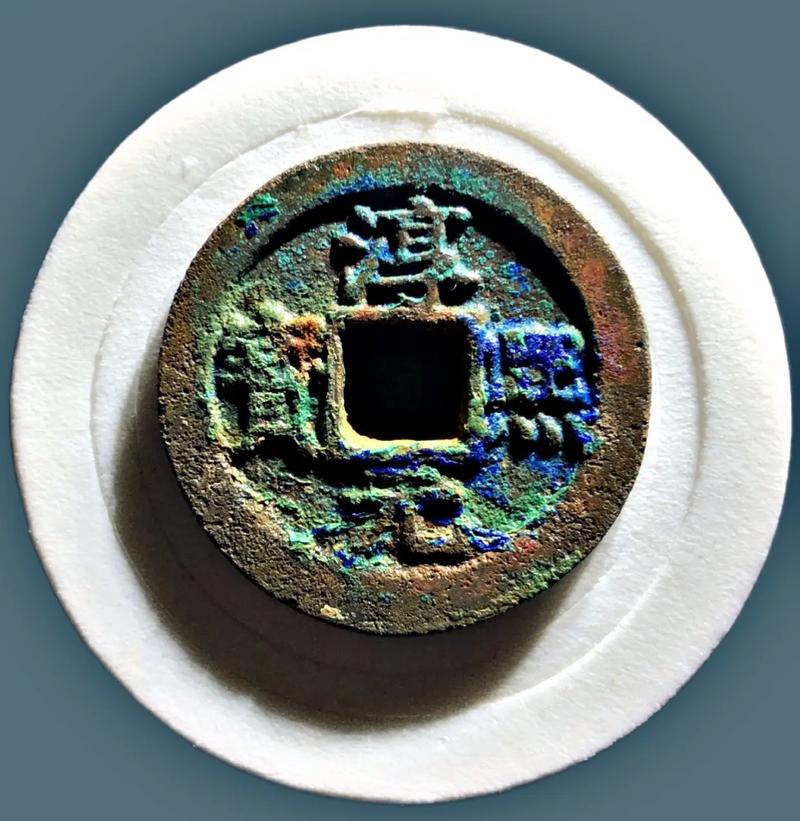
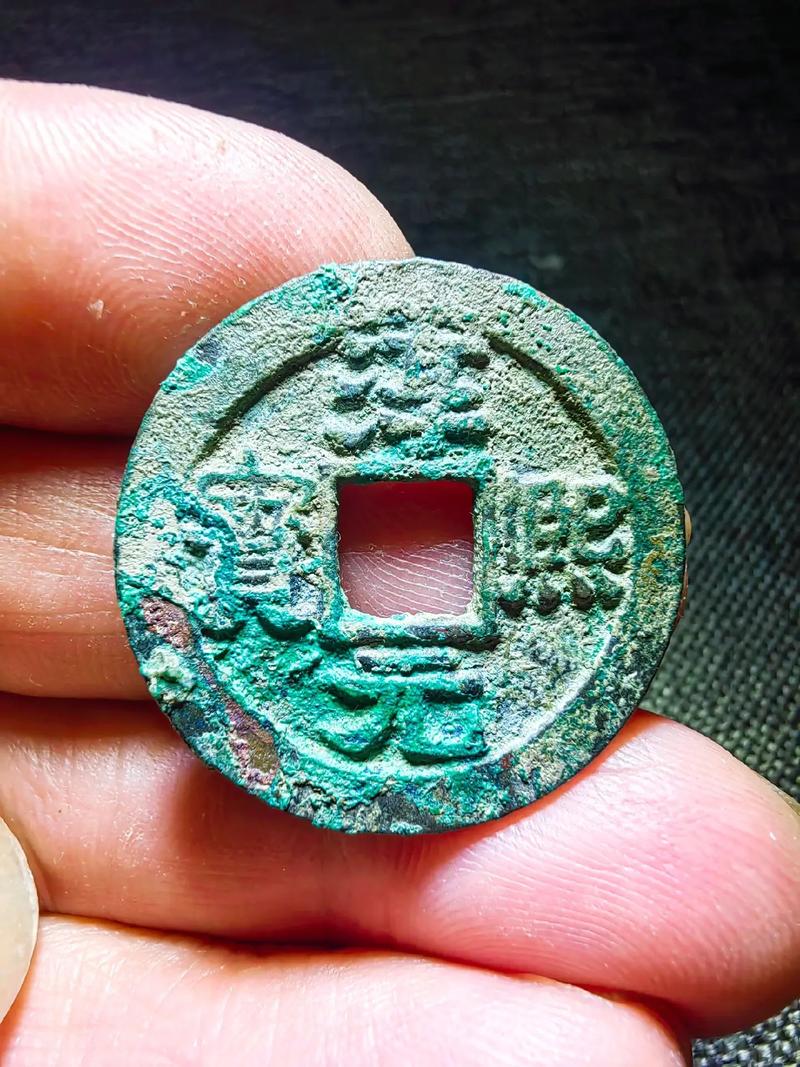
Let’s examine the physical data of the coin I have. This is an authentic Southern Song Chuxi Yuanbao. The back clearly shows the character “同”, indicating it was minted in Tong’an, now part of Anhui Province, a significant mint during the Southern Song.
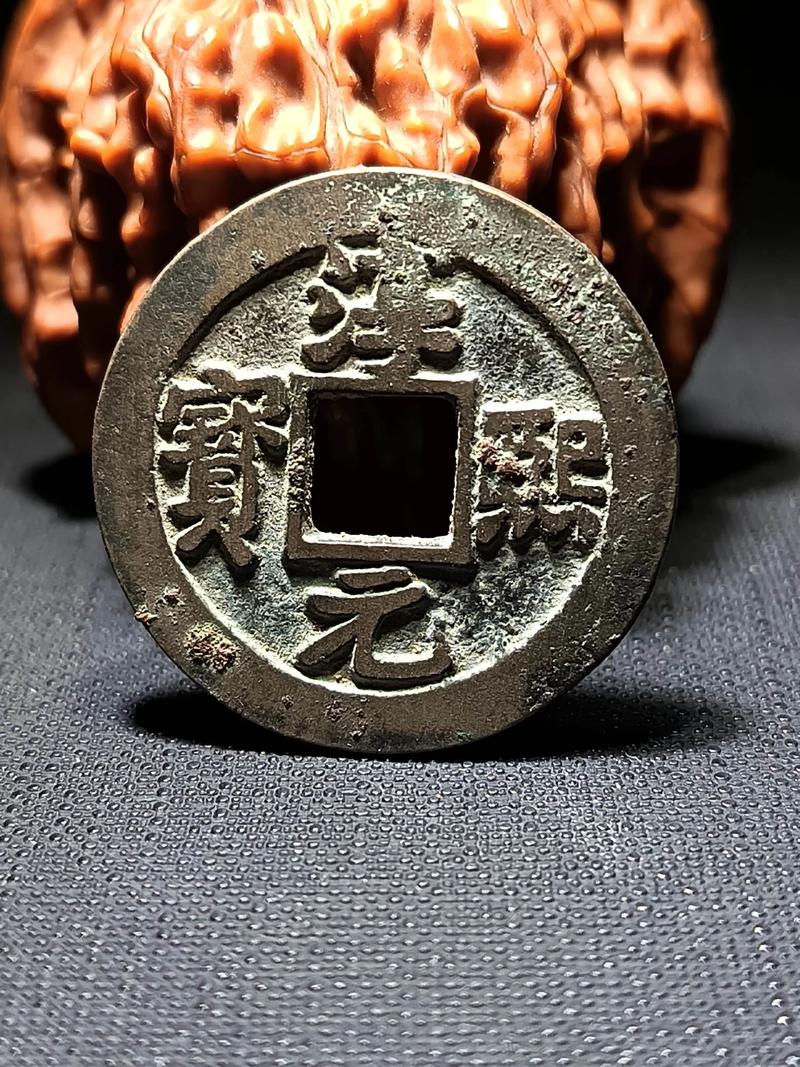
Here are the precise measurements: Diameter 28.5 mm, Thickness 2.3 mm, Weight 8.3 grams.
Anyone knowledgeable can see that these dimensions and weight indicate a thick zhe er version. Most ordinary circulating zhe er coins weigh between 5 to 6.5 grams, being thin and less dense.
A coin weighing over 8 grams is a well-crafted official piece, representing high quality among similar coins.
Many newcomers may not understand the significance of the mint name. Each character on the back of the coin represents the official minting institution. Names like “背同”, “背春”, “背利”, and “背泉” correspond to specific mints, which adds to their collectible value.
The Tong’an mint primarily produced iron coins to meet circulation needs, while copper coins were rare. This has led to the current market situation: backed iron coins are common, while backed copper coins are hard to find.
Holding this coin, you can observe its dense and delicate copper quality, with a warm, aged patina. It has not been artificially cleaned, polished, or chemically treated, maintaining its original patina.
The coin’s contour is regular, with a square hole and a flat surface, showcasing the top-notch minting techniques of the Xiaozong period. It lacks the common defects found in later Southern Song coins, such as rough casting or air bubbles.
The inscriptions are visually appealing, with consistent strokes and clear beginnings and endings. Regardless of the script type, the Chuxi font carries a graceful and dignified aesthetic.
Collectors around me enjoy weighing and examining this thick Chuxi coin, delighted by its substantial feel and neat design. Such well-crafted coins are increasingly rare in today’s market.
Older generations often reflect on how little value was placed on these coins in the past. They were sold by weight or in strings, but now, coins in good condition can fetch several times their original price.
I often explain to fellow collectors that the logic of ancient coin collecting has changed. Previously, collectors focused on the abundant Northern Song coins, but now, Southern Song coins with mint names, thick versions, and finely crafted pieces have become highly sought after.
Ordinary thin coins are valued by weight, while thick premium coins are priced individually, with original high-quality pieces potentially increasing in value tenfold. For example, this 28.5 mm, 8.3-gram backed copper coin is already a rare find in today’s antique market.
Many outside the community struggle to understand why a simple Southern Song zhe er coin can be more expensive than many Northern Song coins. The logic is simple: less copper than iron, official thick coins, and rare mint names. The supply is fixed, and the number of pristine pieces decreases each year.
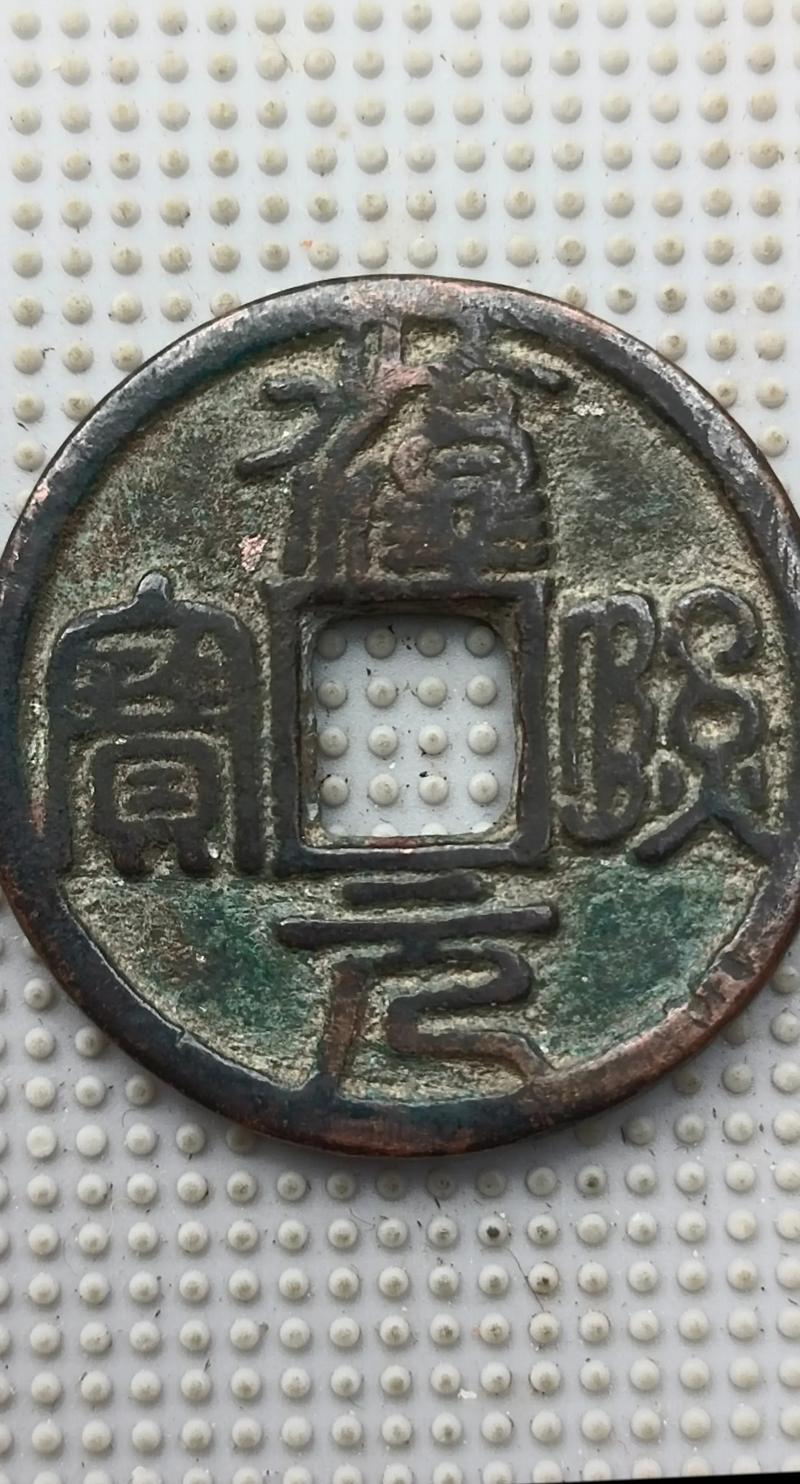
Copper vs. Iron: Avoiding Common Pitfalls
Let’s discuss a common knowledge point that many newcomers overlook: distinguishing copper from iron. Many cannot tell the difference and may unintentionally overpay for iron coins.
The simplest way to differentiate: Copper coins have a reddish-yellow color, are hard, and feel substantial; iron coins are black or gray, prone to rust, lightweight, and rough. A magnet can easily help identify them.
Older collectors remember that iron coins were once unwanted and left in corners, while copper coins were highly sought after. If the condition was acceptable, collectors would not want to let them go.
As a child, I also had the obsession of selecting thick copper coins from a pile, carefully wiping off dust and fearing scratches. That simple love for old coins remains with me today.
Older family members would often say while sorting coins: keep the thick ones, sell the thin ones. At the time, I didn’t understand, but looking back, their words ring true—thick versions are always more valuable than thin ones.
Today, genuine, unblemished backed copper coins are rare. Encountering a large, heavy, and original Southern Song premium coin is something seasoned collectors are reluctant to part with.
In addition to material and thickness, collectors often prioritize the condition and patina of the coins. Experienced collectors value coins that are naturally aged and have a rich patina.
Coins that have been excessively cleaned or have visible rust lose significant value. In contrast, coins with natural aging and no wear on the inscriptions are recognized as high-quality pieces.
In my family, we used to keep a few Southern Song backed coins, gathering around to examine and study them, comparing inscriptions and sizes. Just a few old coins could bring joy and laughter for an entire evening.
This is the unique charm of ancient coins; they hold not only monetary value but also the warmth of history and stories.
Today’s market is transparent; the rarer, thicker, and more officially named ancient coins are more sought after and expensive. Coins with clear mint names and no repairs or treatments can see their value double. Sometimes, a single character can create a significant price difference.
This dedication resembles the feelings of those who once collected old coins. For a rare version, collectors would scour antique markets; today’s collectors are willing to pay high prices for a thick Chuxi Yuanbao. Once acquired, they feel secure and satisfied with their investment.
Setting aside speculation and market trends, let’s discuss the coin itself. Nowadays, finding a well-preserved Chuxi backed copper coin among circulating coins requires luck and skill.
I remember once while sourcing in the countryside, I found an ordinary backed iron coin among mixed coins. The vendor casually remarked: Copper coins are rare, iron coins are everywhere, and you should keep an eye out for good condition copper coins.
Upon hearing this, I instinctively tightened my grip on the heavy copper coin, realizing its value. After returning home, I repeatedly examined its inscriptions, patina, and thickness, and the simple beauty of this Southern Song coin captivated me.
That pure joy of collecting is akin to the excitement of receiving a quality ancient coin for the first time. Ancient coins do not require deliberate nostalgia or sadness. Just by gently rubbing the old copper color, memories of the days spent searching for treasures and the joy of successful finds come flooding back.
Today’s younger collectors mostly see original Southern Song backed coins only in online images or livestreams. Premium thick copper coins are all safely stored in protective cases, kept by collectors in dry, light-proof cabinets.
Many debate what true ancient coin collecting is. Some say that selling at a high price counts as collecting; I believe that preserving history, ancient charm, and traces of time is inherently valuable.
Rarity of Chuxi Yuanbao Designs
Let me share some hidden knowledge about the rarity of Chuxi Yuanbao designs that many may not know. Many think all Chuxi Yuanbao coins are the same, but there are significant differences. Early Chuxi coins were beautifully crafted with solid materials; later coins suffered from a shortage of copper, resulting in rough craftsmanship and thinness.
Early Chuxi backed coins, especially the thick zhe er versions, are extremely rare; while later thin private mint coins are abundant. Ordinary thin private mint coins are of little value; official thick, original, unblemished copper coins can see their prices double. A standard thin Chuxi might cost a few dozen yuan, while a thick backed coin can sell for over a thousand, with perfect specimens fetching even higher prices.
This is a point many newcomers struggle to grasp; two seemingly similar coins can have price differences of tenfold. The differences often lie in details like size, thickness, and weight.
Combining the latest 2026 market data, I will transparently share the actual transaction prices for Chuxi Yuanbao without exaggeration or deception, providing practical reference standards.
First, let’s discuss ordinary iron coins, which may have rust, wear, and average inscriptions:
- Ordinary Chuxi backed iron coins: 35 to 80 yuan;
- Well-preserved, no damage iron coins: 100 to 180 yuan;
These iron coins are abundant and appreciate slowly, making them suitable for beginners to practice with, but do not blindly stockpile them.
Next, let’s look at ordinary circulating copper coins, which may have wear, old nicks, but no repairs or cracks:
- Ordinary condition backed copper coins: 450 to 700 yuan;
- High-quality condition, clear inscriptions copper coins: 900 to 1500 yuan;
Unprocessed, uncleaned, original copper coins have stable prices in recent years, making them easy to liquidate and strong in circulation.
Now, let’s discuss premium thick, large, and rare pieces:
- Thick versions, over 28 mm, with a substantial feel: 1600 to 2000 yuan;
- Graded, high-quality condition, perfect patina: 2500 yuan and above;
The coin I have, with a diameter of 28.5 mm, thickness of 2.3 mm, weight of 8.3 grams, and original backed copper, is in excellent condition with natural patina, no cracks or leaks, and falls within the market range of 1600 to 2000 yuan, based on sound reasoning without speculative bubbles.
Many wonder why a small Southern Song coin has maintained its value in recent years. I summarize four solid reasons:
- Scarcity of copper and abundance of iron. Southern Song copper mines were scarce, and the limited copper coins that remain today are even rarer.
- Official thick coins with exquisite craftsmanship. The Xiaozong period produced coins with good pressure, quality copper, and neat designs, far surpassing those of the later Southern Song period.
- Clear mint names with well-documented history. The backed coins have clear minting origins, rich cultural heritage, and are highly favored by serious collectors.
- Steady appreciation of Southern Song coins. In recent years, ordinary Northern Song coins have stagnated, while Southern Song premium coins continue to rise, with noticeable collective investment trends.
For friends who have Southern Song coins, here are some sincere and practical tips:
- Do not over-clean them. The most valuable aspect of old copper coins is their original patina and natural oxidation. Avoid using steel brushes, chemical baths, or strong acids; any artificial treatment will significantly reduce their value.
- Distinguish between copper and iron materials. If unsure, always use a magnet test to avoid overpaying for cheap iron coins, and newcomers should refrain from following trends blindly.
- Prioritize keeping thick, large coins. The rule in Southern Song coins is: the larger and thicker, the more valuable. Thin private mint coins have limited appreciation potential, while thick official coins hold greater promise.
- Avoid repaired or altered coins. Many repaired or patched coins may appear complete but lack collectible value, making them risky purchases.
Collecting is about ancient charm, rarity, and the sedimentation of a thousand years.
Chuxi Yuanbao witnessed the resurgence of the Southern Song Dynasty, the prosperity of Jiangnan, and the evolution of ancient currency. The ancient copper color, clear inscriptions, and square holes are all marks of a bygone era.
Old coin strings, jars, and deep soil hide not just copper rust but the tumultuous history of ancient times.
Many regret not collecting quality versions when the coins were cheap. But collecting is about fate; encountering a coin is luck, and keeping it is a reward.
I often see collectors asking if it’s too late to invest in Southern Song Chuxi coins. Will prices drop?
I respond objectively: shabby thin coins will never see significant increases, and ordinary currency prices fluctuate steadily; thick original coins with mint names, no repairs or treatments, and large beautiful specimens will only become more expensive over time, with stable prices and no bubbles.
Low-end collectibles rely on mass speculation, while high-end collectibles depend on genuine rarity. The supply of Southern Song premium copper coins is locked, and the number of finds decreases annually, making substantial price drops unlikely.
A simple Chuxi backed coin has transformed from a common currency in circulation to a sought-after premium ancient coin. The change is not just in price but in modern recognition of ancient coin culture and Southern Song history.
There’s no need for deliberate nostalgia or sadness. One day, when you hold an old copper coin, gently rubbing its aged surface can evoke memories of your collecting journey, the hard work of sourcing, and the joy of successful finds.
I want to ask all collectors: do you have a Chuxi Yuanbao? Are you collecting copper or iron coins? Which Southern Song coin do you treasure the most?
Feel free to comment, share pictures, and discuss with each other. Let’s talk about Southern Song ancient coins and share our collecting insights.
If you love discussing ancient coins and practical collecting, follow me for more insights. I’m Dabin, dedicated to sharing practical knowledge about ancient coins without bias. In the next issue, I will continue to explore rare ancient coins, making it easy to understand market trends and avoid pitfalls while collecting premium pieces.
Comments
Discussion is powered by Giscus (GitHub Discussions). Add
repo,repoID,category, andcategoryIDunder[params.comments.giscus]inhugo.tomlusing the values from the Giscus setup tool.