Introduction
In April 2026, Sohu launched the AI assistant app ‘Little Fox’, developed by the Sohu Video team, positioning it as an AI search engine. With competitors like Doubao, Yuanbao, Wenxin, and Kimi already dominating the market, Sohu’s annual revenue stands at $584 million, while major players invested nearly $15 billion in the Spring Festival red envelope battle alone. The question remains: why should users choose ‘Little Fox’ over these more recognized products?
Launch and Features
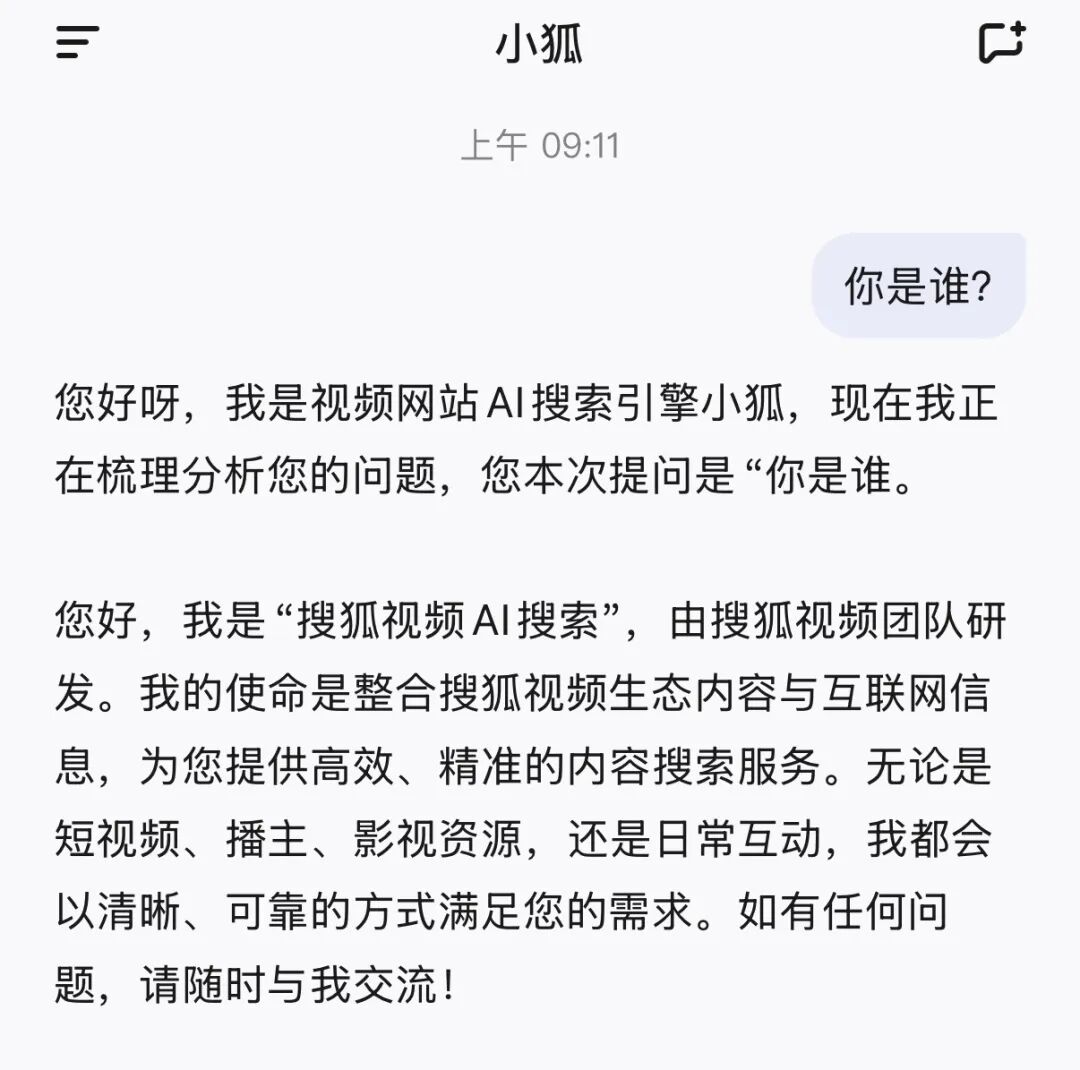
On April 17, Sohu released ‘Little Fox’ on the Apple App Store. The app emphasizes the concept of an “AI search engine”. When asked, “Who are you?”, it identifies itself as an AI search engine developed by the Sohu Video team.

Sohu, a veteran in the Chinese internet industry, has been operating for 28 years and has witnessed the evolution of both the internet and mobile internet eras. However, many established websites are facing challenges, as discussed in my previous article about the impending shutdown of the 20-year-old 360doc personal library website. These veteran sites are struggling to adapt to the current market, where smartphone usage predominates, while their strengths still lie in PC-based services.
Market Position and Challenges
Sohu’s apps have not made it to the top 50 of the App Store’s free charts, and their mainstream products are not even in the top 200. Compared to smaller sites like 360doc, Sohu’s scale allows for more robust transformation strategies, giving it a chance to explore the booming AI sector.
The allure of AI has drawn nearly every company into the field, from gaming to software, home appliances, hardware, automotive, and education. As of February 28, 2026, 796 generative AI services have been registered, with 481 applications or features documented.
Unlike some internet companies that quickly jump on trends, Sohu’s approach is more measured. While products like ChatGPT, Gemini, Claude, Grok, and DeepSeek gained popularity, many companies rushed to adopt similar technologies. Sohu has previously launched two AI products but has not released an independent app until now with ‘Little Fox’. The challenge is whether ‘Little Fox’ can catch up with more established products in a fiercely competitive AI assistant market.
Learning from Success
To succeed, ‘Little Fox’ must learn from successful products. Platforms like Douyin, Xiaohongshu, WeChat, and Weibo often guide users to successful accounts, indicating a strong demand for certain features. The same applies to AI assistants; Sohu’s late entry in 2026 means it must look to the successful paths of Doubao, Yuanbao, Wenxin, and Kimi for inspiration.
Reviewing the success strategies of these products reveals three main approaches to driving downloads:
- Leveraging Existing Products: For instance, Tencent’s Yuanbao is promoted through multiple Tencent products like WeChat, QQ, and Tencent News, creating a significant flow of traffic.
- Aggressive Advertising: Many apps are heavily investing in advertising across various platforms to promote their AI assistants, increasing visibility despite user fatigue from excessive ads.
- Seasonal Marketing: During the Spring Festival, many products, including Yuanbao and Qianwen, utilized the holiday’s traffic to boost their marketing efforts, achieving top rankings in the App Store.
If ‘Little Fox’ can commit to aggressive user acquisition strategies and significant marketing investments, it may have a chance to gain traction.

Finding Unmet Needs
Another strategy is to identify unmet needs in the market. The Chinese internet landscape has examples of companies that have succeeded by finding niches, such as NetEase Cloud Music with its playlists or ByteDance’s personalized algorithm recommendations.
For ‘Little Fox’, it’s crucial to differentiate itself from Doubao, Yuanbao, Wenxin, and Kimi. It must clarify what unique problems it solves for users and what its primary use cases are. Currently, many AI assistants follow a generic path, making the market crowded, while no standout products have emerged in more specialized areas.
In today’s internet landscape, smaller companies face an uphill battle against established giants. With the dominance of major players, any new AI assistant risks being overlooked, as the market does not significantly change with the addition of new products.
Financial Constraints
Sohu’s financial reports indicate that its total revenue for 2025 was $584 million, with marketing services earning $60 million and online gaming $506 million. After accounting for certain tax impacts, Sohu reported a loss of $51 million. This revenue is dwarfed by the marketing expenditures of giants like Alibaba, JD, Tencent, and ByteDance, which approached $15 billion during the Spring Festival alone.
Given Sohu’s size, it cannot afford to invest heavily in marketing like these larger companies. Moreover, differentiating its product will be challenging, as any significant innovation is likely to attract attention from competitors.
Conclusion
Ultimately, ‘Little Fox’ needs to articulate why users should choose it over more established AI assistants. Its success will depend on effective marketing, identifying unique value propositions, and navigating a competitive landscape filled with well-known products.
Comments
Discussion is powered by Giscus (GitHub Discussions). Add
repo,repoID,category, andcategoryIDunder[params.comments.giscus]inhugo.tomlusing the values from the Giscus setup tool.